Most travelers lose money or miss wildlife simply because they book a lodge stay in Africa in the wrong month or leave it too late. The same room can swing wildly in price depending on when you go, and the difference between a full day of sightings and a quiet one often comes down to the season, not the lodge itself.
This guide walks you through why timing matters so much, what the dry and green seasons each deliver, how far ahead to reserve, and why the shoulder months of June and November can be the sweet spot for value. We will also match each season to different trip styles, from first-time safaris to honeymoons, and wrap up with a simple booking timeline you can follow.
Why Timing Matters When You Book a Lodge Stay in Africa
African lodges do not simply change their prices a little between seasons. Rates, wildlife sightings and crowd levels all swing dramatically between the dry and green seasons, and the difference shapes your entire trip. In peak months, the same room can cost 2-3 times more than it does during the green season, which means your budget decides whether you stay in a mid-range camp or a flagship lodge.
Wildlife viewing swings just as hard. Dry months concentrate animals around water sources, while green months scatter them across lush, thick vegetation. Crowds follow the same pattern, with popular parks feeling busy in peak season and wonderfully quiet a few weeks later.
Why first-timers should focus on the calendar
For first-time visitors, choosing the right window matters more than choosing the lodge itself. A superb lodge in the wrong month can deliver disappointing sightings and thin your wallet, while a modest camp in the right month can fill your days with game. Before you fall in love with a specific property, decide which season fits your goals and budget, then shortlist lodges that shine in that window.
Dry Season: The Classic Window for Wildlife
If you want the classic safari experience, the dry season is hard to beat. East Africa’s dry season runs roughly June to October, while Southern Africa’s dry winter spans May to September. Rain is scarce, vegetation thins out, and animals gather at rivers and waterholes, which makes them far easier to spot from an open vehicle.
The Great Migration window
For many travelers, the highlight of this period is the Great Migration. The famous river crossings in the Masai Mara and Serengeti usually fall between July and September, when enormous herds brave crocodile-filled waters. Lodges near the crossing points are among the most sought-after in all of Africa during these weeks, so availability disappears fast.
Expect clear skies, cooler mornings that call for a fleece at sunrise, and excellent light for photography. The trade-off is popularity: this is when lodges see their highest occupancy, and game drives book out early. If a morning drive or a specific guide matters to you, request it as soon as your reservation is confirmed rather than waiting until arrival. For a taste of how magical early mornings can be, this piece on a sunrise over a coastal pier captures that same golden-hour mood.
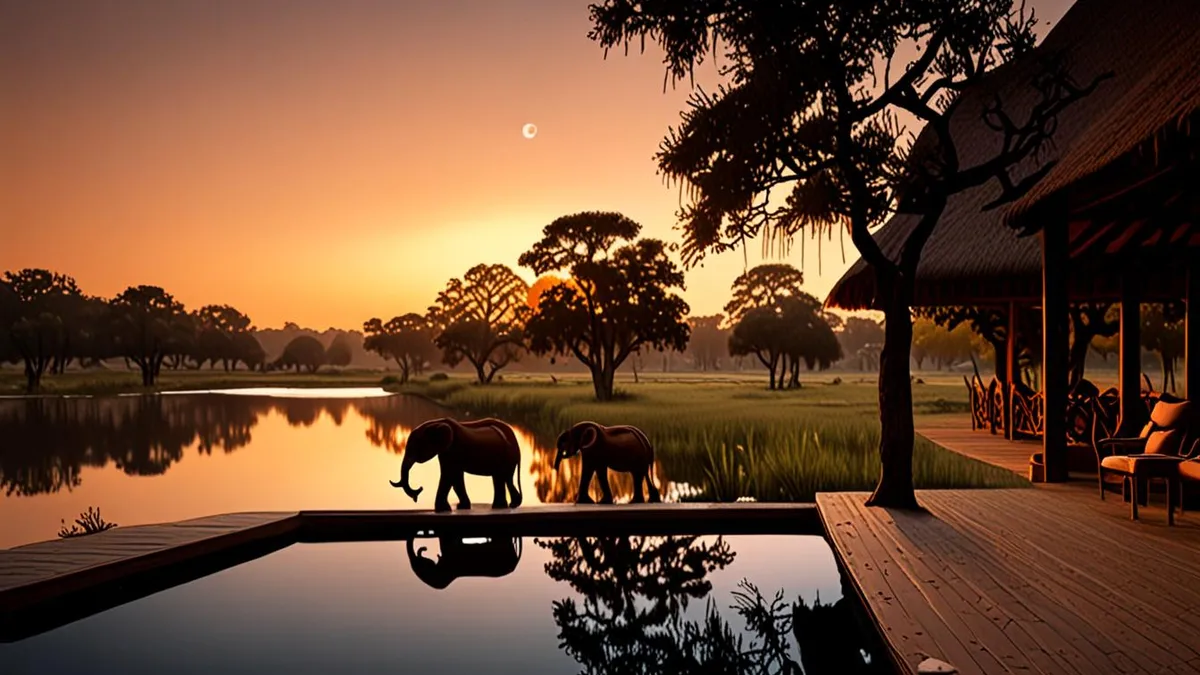
Green Season: Lower Rates and Lush Landscapes
From November to March, the green season transforms the bush in ways that surprise many first-time visitors. Instead of the dusty, golden landscapes you see in brochures, you get rolling green plains, dramatic skies that build through the day, and air washed clean by rain. Newborn animals appear almost everywhere you look, and migratory birdlife arrives in brilliant colors. Best of all, lodge rates often drop 30-50% below peak, which means the same budget can stretch to a longer stay, a more upscale lodge, or both. For travelers who care more about atmosphere and value than ticking off a specific sighting, this is the season that quietly delivers.
The rain follows a fairly predictable rhythm: afternoon showers are usually short and dramatic rather than all-day soakers, leaving clear mornings and golden evenings for game drives. Because far fewer vehicles share the roads, sightings feel private, and guides have more time to linger at a kill or a leopard resting in a tree. Game viewing remains rewarding throughout the season, especially since the abundance of young animals attracts predators, and the thicker vegetation adds a genuine sense of exploration to every drive.
Who gets the most from the green season
This window is the best value pick for photographers, birders and repeat safari-goers who have already seen the big highlights and want something different. A few reasons it works so well:
- Moody, dramatic light: storm clouds and rainbow-filled skies give landscape photographers material the dry season simply cannot offer.
- Baby animals everywhere: calving season means young impala, zebra and wildebeest within days of birth, along with the predators that follow them.
- Birding at its peak: migratory species in breeding plumage make this the standout period for serious birders.
- Room upgrades and flexibility: with occupancy low, lodges can often offer better rooms, private guides or flexible dates.
How Far Ahead to Book
One of the most common mistakes first-time safari travelers make is assuming that a great lodge will always have room. In reality, the most sought-after properties in the Serengeti, the Masai Mara, the Okavango Delta and South Africa’s top reserves can be fully booked close to a year out for the busiest months. Getting your timing right matters just as much as picking the right lodge, and the calendar you should follow depends heavily on when you plan to travel. Below is a practical timeline that works for most trips, along with a few situations that call for booking even earlier than you might expect.
- For a June to October stay, start looking 9-12 months ahead. This is peak dry season across most of Africa’s safari regions, and demand is fierce. The best rooms sell out first, which usually means the units with the best views, the most privacy or the most sought-after positions along a river or waterhole. If you wait until spring to book for July, you will often be left choosing between leftover rooms or less desirable properties. Travelers hoping to catch the Great Migration river crossings face the tightest competition of all, so treat this window as non-negotiable if those dates matter to you.
- For a green-season trip, booking 3-6 months ahead is often enough. November to March sees lower demand, so lodges rarely fill up far in advance. This window also gives you a realistic shot at last-minute discounts, since some properties reduce rates to fill remaining space. Just keep in mind that popular holiday periods around Christmas and New Year can still book up earlier than you might expect, so lock in those dates well before the festive rush begins.
- Book longer stays and family units as early as possible. Lodges keep only a small number of family suites, two-bedroom units and connecting rooms, and these categories are typically the first to fill for any date. If you need space for four or more people, or you want a multi-night itinerary across several lodges, treat your reservation like a peak-season booking regardless of when you travel. Coordinating multiple properties also takes longer, since each lodge confirms availability separately.
A simple way to remember all of this: the harder the dates are to get, the earlier you should commit. Check availability with your operator or the lodge directly as soon as your travel window is firm, and ask about cancellation terms before you pay a deposit so you have flexibility if plans change. A little lead time usually means better rooms, better rates and far less stress.
Shoulder Months: The Sweet Spot for Value
If you cannot plan a full year ahead and peak-season prices make you wince, the shoulder months deserve a serious look. June and November sit on the edges of the high season, and they often combine decent wildlife viewing with moderate rates and noticeably thinner crowds. You trade a little certainty for a lot of value, and for many travelers that trade works out beautifully.
Why June works
June marks the start of Southern Africa’s dry winter and the run-up to East Africa’s peak months. Water sources are beginning to shrink, vegetation is thinning and game drives are already productive, yet many lodges have not yet switched to their highest rates. Crowds are also lighter than they will be in July and August, which means fewer vehicles around a sighting and a calmer atmosphere at camp.
Why November works
November sits at the very start of the green season. The first rains bring fresh grass, newborn animals and a burst of birdlife, but the landscape has not yet grown thick enough to hide the game. Rates have usually dropped from their peak, and the dramatic skies that photographers love start to appear. Afternoon showers are typically short, leaving long stretches of clear weather for morning and late-afternoon drives.
Shoulder bookings also give you more negotiating room. With occupancy lower, lodges and operators are often more open to rate discussions, free-night offers or added extras like a private vehicle or a discounted third night. It is an ideal compromise for travelers who cannot commit a year ahead but still want a rewarding safari at a fair price. Ask directly about current offers, since they change from year to year.
Matching the Season to Your Trip Style
There is no single best time to book a lodge stay in Africa, because the right window depends on what kind of trip you are taking. A first honeymoon and a budget photography safari have very different priorities, and the season that suits one can frustrate the other. Before you fix your dates, think honestly about what matters most to you: sightings, savings, atmosphere or availability.
Start with your travel style, then match it to the season that fits. The three most common trip types each have a clear winner, and knowing yours ahead of time saves you from paying peak prices for a trip that did not need them, or booking a budget window that leaves you disappointed.
- First-timers chasing the Big Five: aim for the dry season and book early. Sparse vegetation and animals gathering at water sources make sightings far more reliable, which matters when every drive is your first. Because this is also the busiest period, reserve as far ahead as you realistically can so you are not forced into a leftover room at a lodge you did not really want.
- Budget and photography trips: the green season delivers the best rates, often 30-50% below peak, along with moody, dramatic light that flat midday sun cannot match. Storm clouds, golden shafts of light after a shower and vivid green backgrounds give images real atmosphere. Birdlife is also at its most active, so photographers with a longer lens will find plenty to shoot between showers.
- Honeymoons and family trips: the shoulder months balance weather, price and availability. June and November offer good game viewing without peak-season crowds, rates are easier on the budget, and lodges have more open rooms and family units. That extra availability matters when you need connecting rooms or a private vehicle, and it gives you a better chance of securing the romantic or family-friendly perks you actually want.
Whichever category you fall into, tell your operator what you are prioritizing when you first enquire. A good agent will steer you toward the right months and flag any seasonal trade-offs before you commit, rather than after you have paid your deposit.
Wrapping Up Your Booking Timeline
So, back to the question we started with: how do you avoid paying too much or missing the wildlife? It comes down to matching your booking window to the season. The dry season, running roughly May to October, delivers peak wildlife at peak prices, with rates commonly two to three times green-season rates. The green season, from November to March, trades some sightings for savings, often 30-50% cheaper. Book popular lodges 9-12 months out for dry-season travel, or 3-6 months ahead for green-season trips.
If you can only remember one thing, make it this: June and November are the value sweet spot for most travelers, balancing decent wildlife viewing with moderate rates and thinner crowds. Get that timing right, and the lodge you choose matters far less than when you choose to go. If this helped you plan your trip, leave a comment or share the article with a fellow safari dreamer.