Picking a hotel in Tallinn sounds simple until you start comparing neighborhoods. The medieval Old Town, the leafy streets of Kalamaja, the design-focused Rotermann quarter and the quiet seaside district of Pirita all offer very different experiences, and the right choice depends on your travel style, your budget and the season you visit. Many travelers book a room based on photos alone, then realize too late that their base is a twenty-minute walk from where they actually want to spend their evenings.
This guide breaks down each of Tallinn’s main areas so you can match them to your trip. We’ll compare Old Town against Kalamaja, look at modern stays near the center, explore quieter options further out, and cover when to book for the best rates. You’ll also find advice on choosing between hostels, design hotels and apartments, plus a set of practical checks to run before you confirm any reservation. By the end, you should know exactly which part of the city fits your plans.
Old Town vs Kalamaja: Which Hotel in Tallinn Fits Your Trip
Tallinn’s Old Town is the postcard version of the city: medieval lanes, church spires and city walls, all packed into a compact area you can cross on foot in twenty minutes. If you stay here, Freedom Square, Toompea Hill and the main squares are typically a 5-10 minute walk from your door. For a first visit, especially a short city break, that convenience is hard to beat.
The trade-off is space and price. Old Town buildings are historic, which usually means smaller rooms, and high season rates for doubles typically run 90-160 EUR per night. You also share your doorstep with tour groups during the day, so the atmosphere is lively rather than local.
Why Kalamaja works for longer stays
Kalamaja, just northwest of the Old Town, feels like a different city. Restored wooden houses, neighborhood cafes and a calmer pace define the area, and it’s about a 20-minute walk from the Old Town along a pleasant route. Doubles here usually cost 60-110 EUR, and rooms tend to be more spacious than what you’ll find inside the walls.
The choice comes down to trip length and priorities. Pick the Old Town if you have two or three nights and want every major sight within minutes. Pick Kalamaja if you’re staying longer, want a quieter base for evenings and prefer a neighborhood where locals actually live, eat and drink.
Rotermann Quarter and Kesklinn: Modern Stays Near the Center
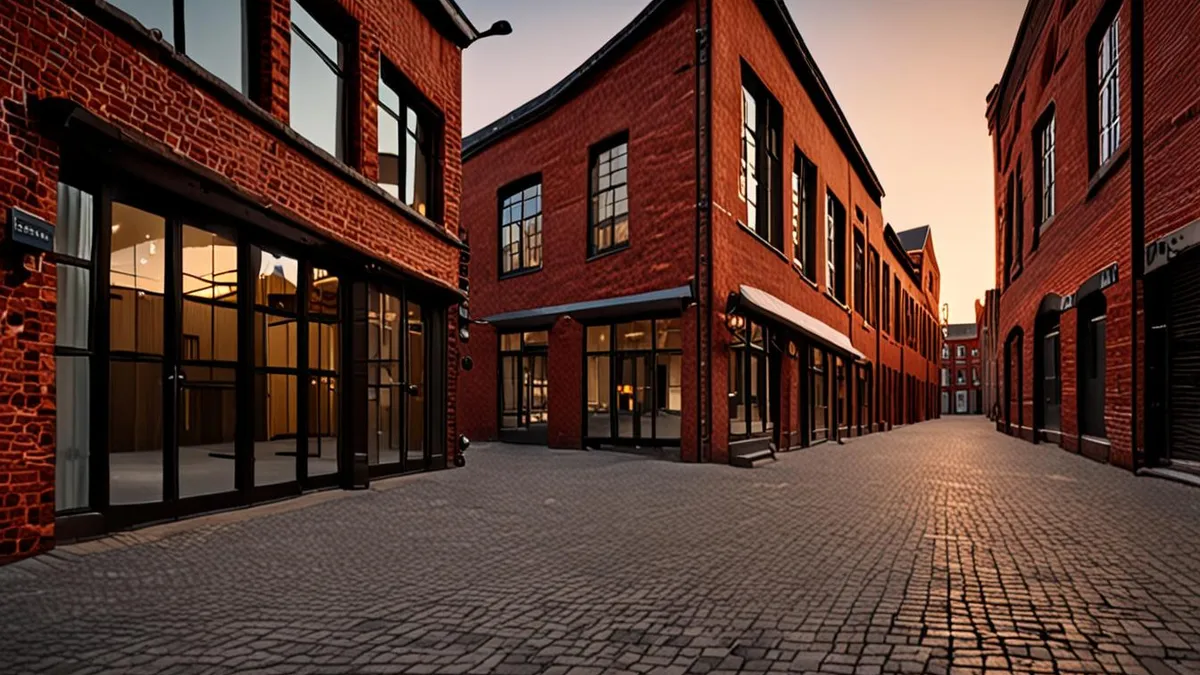
If medieval charm matters less to you than a good mattress and reliable Wi-Fi, the Rotermann quarter and Kesklinn deserve a close look. Rotermann sits just outside the Old Town, about a 10-minute walk away, and it’s the city’s most striking example of old-meets-new architecture. Restored industrial brick buildings now house contemporary design hotels, restaurants and shops, giving the whole quarter a polished, modern feel.
Kesklinn around Viru Square
Kesklinn, Tallinn’s city center district, offers the widest selection of mid-range hotels, particularly around Viru Square. This is where you’ll find the most competition, which usually means better value and more choice at any given budget. Tram connections are easy from here, so reaching the ferry terminal, Kadriorg or other districts is straightforward.
Both areas suit business travelers and design-focused visitors who want modern amenities over historic atmosphere. You won’t wake up to views of medieval walls, but you’ll get elevators, proper desks, gyms and soundproofing that older buildings often can’t match. Expect to pay 70-130 EUR per night for a double in these districts, which puts them between the cheaper outer areas and high-season Old Town rates.
A practical bonus: staying near Rotermann or Viru Square means you can still walk into the Old Town for dinner or sightseeing in minutes, then retreat to a calmer, more contemporary base for the night.
Pirita and Kadriorg: Quiet Alternatives a Bit Further Out
Tallinn is compact, but you don’t have to stay in the center to enjoy it. Pirita, on the coast northeast of downtown, offers seaside calm, a long beach promenade and views toward the TV tower. It’s roughly 15 minutes by bus from the center, which makes it a realistic base if you don’t mind a short commute in exchange for quieter streets and sea air.
Kadriorg’s parkland and palaces
Kadriorg sits between the center and Pirita, pairing leafy parkland and the baroque palace area with residential quiet. The district is about 10 minutes by tram from the center, so sightseeing remains easy while your evenings stay peaceful. It’s a favorite with travelers who want to wake up to trees rather than traffic.
Both districts cost less than the core, with doubles typically running 55-95 EUR per night. That saving adds up over a week-long stay and often buys you more space than you’d get downtown for the same money.
These areas work best for families and travelers with a car. Kids get beach time or park runs, and drivers can reach the center in minutes. If you’re car-free and plan on late-night walks home after dinner in the Old Town, think carefully: bus and tram service thins out in the evening, and a long walk home in winter cold is less charming than it sounds. For daytime-focused trips, though, Pirita and Kadriorg offer genuine value.
When to Book: Seasons and Lead Times for Tallinn Hotels
Tallinn may be compact, but its hotel prices swing sharply with the calendar, so timing your booking matters as much as picking the right district. Summer is the peak: from June to August, the city fills with cruise passengers and festival visitors, and the best-value rooms in popular areas go first.
For a summer stay, plan to book 2-3 months ahead. That lead time gives you the widest choice of neighborhoods and the most reasonable rates. If you leave it until a few weeks out, you will still find rooms, but often in the less central or less appealing options.
The shoulder months of May and September are gentler in every way. The weather is usually mild, the streets are calmer, and a lead time of 3-4 weeks is typically enough to land a good room at a fair price. Many travelers find these two months offer the best balance of atmosphere and cost.
Winter splits into two very different stories. December looks magical but costs more, while the deep winter months of January through March are the bargain window of the year.
- December and the Christmas market period: expect prices 20-40% above baseline even though days are short, and book early because weekend availability tightens fast around the market dates.
- January-March: rates often run 30-40% below summer levels, and hotels that sell out in July may have wide-open calendars, making it a good time for longer stays or last-minute trips.
- Shoulder season flexibility: with only 3-4 weeks needed ahead, May and September trips are easier to plan spontaneously, and you can often upgrade your room type for the price of a summer standard double.
Matching Stay Type to Budget: Hostels, Design Hotels and Apartments
Once you have picked a district, decide what kind of place you actually want to sleep in. Tallinn’s range is wider than its size suggests, from simple hostel bunks to polished design hotels, and each option suits a different trip length and budget.
Hostels in Kesklinn and the Old Town start around 25-40 EUR per bed, which makes them the obvious pick for solo travelers watching their spending. Many now offer private rooms too, so couples can use them as a budget middle ground without sharing a dorm.
Design hotels cluster in the Rotermann quarter and along the harbor side, where restored industrial buildings have been turned into contemporary stays. Doubles there typically run 110-180 EUR in summer. If you are pairing Tallinn with other Baltic stops, a resource like Narva old town sunrise and harbor views can help you plan the wider route.
Apartment rentals make sense for stays of four nights or more. At roughly 60-100 EUR per night, with kitchen access included, they often beat hotel prices on longer trips and suit travelers who like cooking a few meals in.
- Breakfast costs: if it is not included in the rate, budget an extra 10-15 EUR per person per day, which can erase the savings from a cheaper room over a multi-night stay.
- Hostel location trade-off: Old Town hostels put you steps from the sights but often in smaller, older buildings, while Kesklinn hostels tend to have more modern facilities a short tram ride away.
- Apartment minimum stays: many hosts set two- or three-night minimums, and the best-value units for 4+ night trips get booked first in summer, so reserve early if you want the kitchen option.
Practical Checks Before You Book a Hotel in Tallinn
Before you click confirm on any Tallinn booking, run through a few practical checks. The city is compact and walkable, but small details like cobblestones, tram stops and heating can quietly make or break a stay. Ten minutes of checking these things now saves real frustration once you arrive with a suitcase in tow.
- Check the distance to a tram or bus stop. Tallinn’s public transport network is dense and reliable, and a hotel two minutes from a stop feels very different from one ten minutes away when you are dragging luggage. Look at a map before booking, not after.
- Note the airport transfer. Tallinn airport sits roughly 4 km from the city center, about 15 minutes by taxi, so even a hotel slightly outside the Old Town stays convenient for arrivals and departures.
- Think about cobblestones and stairs. The Old Town’s cobblestone streets and stair lanes are charming by day but punishing with heavy suitcases or limited mobility. If that applies to you, favor hotels on flatter main streets and check whether the entrance has steps.
- Scan recent reviews for climate comfort. Read what guests say about heating quality in winter and cooling in July and August, since older buildings in particular can struggle at both ends of the year.
- Confirm the cancellation terms. This matters most for December dates, when Christmas market demand spikes and strict, non-refundable rates become common. A flexible rate is often worth a small premium for peace of mind.
Tallinn rewards travelers who match their hotel to how they actually travel, not just to the prettiest photos on the booking page. Check these five points, compare two or three options side by side, and you will arrive knowing exactly what to expect from your room and your neighborhood.
Wrapping Up Your Tallinn Area Choice
So, which Tallinn neighborhood fits your trip? The answer comes down to style, budget and season. Old Town, Kalamaja, Rotermann, Kesklinn, Pirita and Kadriorg each serve a different kind of traveler, from medieval-street romantics to design lovers and families after parkland calm. Prices stretch from about 55 EUR a night in the outer districts to 160 EUR and beyond in high-season Old Town, so where you stay matters as much as when.
Timing closes the loop. If you are coming in summer, booking 2-3 months ahead secures both a better rate and a real choice of rooms. Match the neighborhood to the season and the type of stay you want, and the rest of the booking falls into place. If this helped you pick your spot, leave a comment or share the article with a fellow traveler.