Booking an all-inclusive lodge sounds simple: one price, everything handled. In practice, first-timers often arrive without knowing exactly what their package covers, and that gap between expectation and reality leads to surprise charges for spa treatments, premium drinks or shuttle rides they assumed were included. Some guests also discover that the lodge’s daily rhythm, built around guided activities and communal meals, doesn’t match the independent vacation they had pictured.
This guide walks you through what an all-inclusive lodge package actually covers, when to book for the best rates, how to choose the right location, and what a typical day looks like from breakfast to campfire. You’ll also find practical advice on packing, budgeting for extras beyond the quoted rate, and a short recap to help you plan your first stay with confidence.
What an All-Inclusive Lodge Package Actually Covers
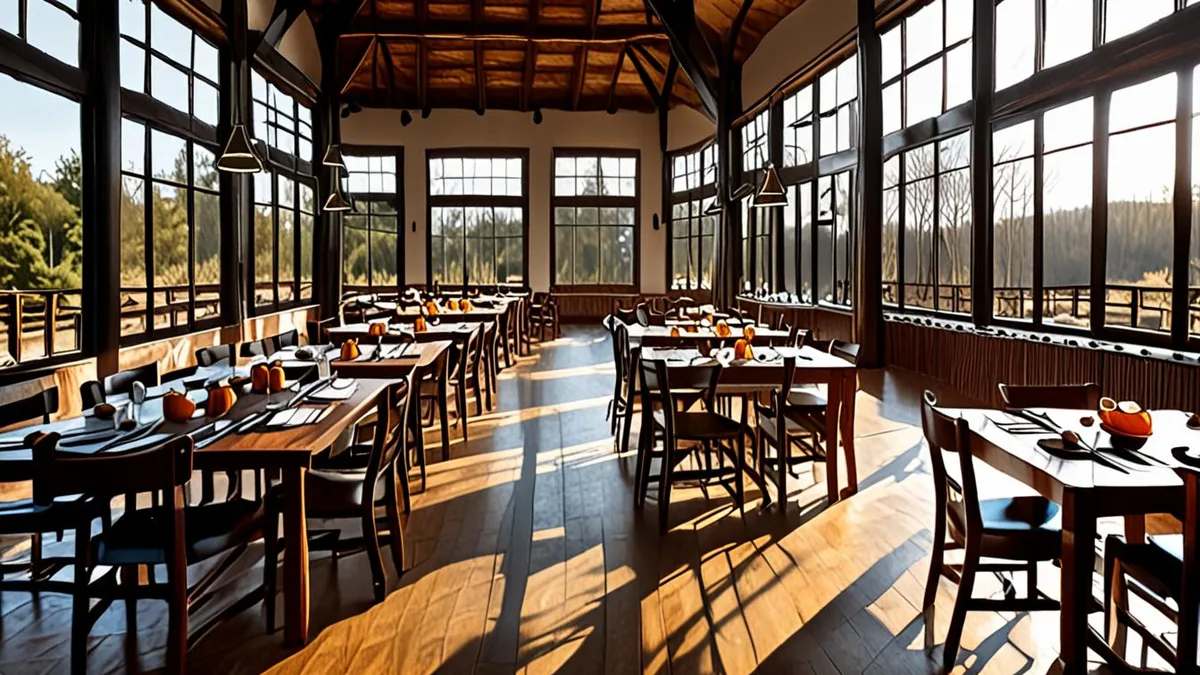
At most all-inclusive lodges, the core package is built around food and drink. You can expect three meals a day, plus snacks between activities, and house drinks throughout your stay. The dining hall is usually the social center of the lodge, and mealtimes are when guests compare notes on the day’s hikes and plan the next morning together.
Activities are the other half of the deal. Most lodges include 2-3 guided activities per day in their rates, and these are often the highlight of the trip. Think guided hikes with a naturalist, canoeing on the lodge’s lake, or an evening campfire with stories and s’mores. Because guides lead everything, you don’t need to be an expert to join in.
Where first-timers get caught out is the boundary between included and extra. Premium alcohol, spa treatments and off-site excursions usually cost extra, and these add-ons can add up quickly if you’re not tracking them. Before you book, ask the lodge for a written inclusions list. It takes one email, and it’s the single best way to avoid surprise charges on your final bill.
- House drinks vs. premium drinks: The included bar typically covers house wine, local beer and soft drinks, while imported spirits, cocktails and top-shelf labels appear on your tab.
- Activity sign-ups: Even included activities often have limited group sizes, so reserve your spots for popular options like canoe trips as soon as you check in.
- Off-site excursions: Trips to nearby attractions, fishing charters or boat tours outside the property are usually booked and paid separately, sometimes through third-party operators.
- Kids’ and specialty programs: Some lodges include family programming in the rate, while others charge for supervised activities, so ask if you’re traveling with children.
When to Book Your All-Inclusive Lodge Stay
Timing your booking matters more at lodges than at most hotels, because room counts are small and cancellations are rare. For a June to August stay, when lodges fill fastest, plan to reserve 3-6 months ahead. Popular lakeside and mountain properties can be fully booked for summer weekends well before spring arrives, especially for family rooms and cabins with the best views.
The case for shoulder season
If your dates are flexible, look hard at May and September. These shoulder season months typically bring lower rates of roughly $150-250 per person per night, along with thinner crowds on the trails and easier access to guides. You’ll often find the same activities running with more personal attention, and dining halls that feel relaxed rather than packed.
There’s one trade-off to weigh. Shoulder season means shorter daylight hours, which can compress the morning and afternoon activity blocks. Before you commit to a date, check the lodge’s activity schedule for those months and confirm that the hikes, paddling trips or other outings you care about are actually running. A discounted rate matters little if the kayak tours have stopped for the season.
For shoulder season trips, booking 1-2 months ahead is usually enough, though it never hurts to reserve earlier if you have your heart set on a specific cabin type.
Choosing the Right Lodge Location and Setting
The setting you choose shapes your entire stay, so match the lodge to how you actually want to spend your days. Lakeside lodges suit travelers drawn to paddling, fishing and sunrise views over calm water, and mornings on the dock can be as memorable as any guided hike. If you’re chasing a specific light or a quiet shoreline moment, it’s worth reading about a coastal sunrise at the pier to see how rewarding early mornings by the water can be. Mountain lodges, by contrast, suit hiking-focused trips, with trailheads close by and guides who know every ridge and viewpoint.
Distance from town is the factor first-timers most often overlook. Remote lodges 1-2 hours from the nearest town offer real immersion: dark night skies, wildlife at your doorstep and a genuine break from daily routines. The flip side is that independent excursions become difficult. Once you’re at the lodge, you’ll mostly rely on its own activity program and dining, so make sure that appeals to you before booking.
Transfers deserve a close look too. Getting to a remote property is rarely as simple as following GPS, and costs vary widely between lodges.
- Included airport pickup: Some lodges bundle airport transfers into the rate, often on fixed shuttle days or set times, so coordinate your flights with their schedule rather than the other way around.
- Paid shuttles: Other lodges charge roughly $50-100 per shuttle, and the fee may be per vehicle or per person, so ask before assuming it’s a flat cost.
- Self-driving considerations: If you drive yourself, ask about road conditions and parking, since some remote properties sit at the end of gravel roads that are slow going in wet weather.
- Groceries and supplies: At lodges far from town, there’s usually no shop nearby for snacks, sunscreen or forgotten items, so pack accordingly.
A Typical Day at an All-Inclusive Lodge
Your first day at an all-inclusive lodge usually starts earlier than you might expect. Breakfast is typically served between 7 and 9 AM, often buffet style in a shared dining hall. It’s worth arriving early on your first morning, both to eat at a relaxed pace and to meet other guests before the day’s activities begin.
How the activity blocks work
Guided activities generally run in two blocks: a morning session from roughly 9 AM to 12 PM and an afternoon session from about 2 to 5 PM. The gap in between is your free time, and most guests use it for a nap, a solo walk on nearby trails, or simply sitting on the deck with a book. Since most packages include 2-3 daily activities, you’ll usually need to choose which sessions you join rather than doing everything. Sign-up sheets are often posted near the front desk, so check them the evening before to secure your spot.
Evenings and arrival timing
Don’t expect nightlife at a lodge. Evenings center on communal dinners, campfires and lounge areas, which is part of the charm for most first-timers. Bring a book or a deck of cards and you’ll settle right in.
Timing matters on your arrival day too. Check-in is typically between 3 and 4 PM, with check-out at 10 to 11 AM, so plan your travel around the first activity block. If you arrive mid-afternoon, you may only have time to settle in before the evening meal, which is a perfectly good way to ease into lodge life.
What to Pack for a Lodge Stay
Weather at lodge destinations can shift quickly, even within a single day. A sunny morning hike can turn into a cool, damp afternoon, so layered clothing is your best friend. Bring a base layer, a warm mid-layer and a waterproof outer shell, and you’ll be ready for almost anything the sky throws at you.
Before you zip your bag, run through this packing list:
- Sturdy walking shoes or hiking boots: Trails can be muddy or rocky, and some lodges require closed-toe footwear for guided hikes, so flip-flops won’t cut it on the trail.
- Swimwear: Many lodges have a sauna, hot tub or safe lake swimming spot, and guests often regret leaving their suits at home.
- A refillable water bottle: Hydration matters on hikes, and a bottle saves you from buying bottled water or constantly asking the kitchen for glasses.
- Small bills for tips: Budget roughly $5-10 per day for staff, since having cash on hand makes tipping guides, housekeepers and dining staff much easier.
Beyond the essentials, a few small items go a long way. A headlamp or small flashlight helps on dark paths between your cabin and the main lodge. Insect repellent and sunscreen are worth packing even if you’re visiting in cooler months. And leave a little room in your bag: many lodges have a small shop, and you may want to bring home a local keepsake.
If you’re unsure about anything, email the lodge before you go. Many send a packing list tailored to the season and their specific activities, which takes the guesswork out entirely.
Budgeting Beyond the Package Price
The nightly rate covers a lot, but not everything. Premium drinks, spa treatments and optional excursions are billed separately, and first-timers are often surprised by how quickly those line items accumulate. A practical habit is to set aside a modest extras fund per person before you arrive, sized to how much you plan to indulge, and to treat anything left over as a bonus rather than a shortfall.
The most commonly forgotten costs tend to be the same three things:
- Airport or town transfers: Some lodges include pickup, others charge per shuttle, so confirm this before booking rather than at the front desk.
- Gratuities: Tipping staff is customary at lodge-style resorts and is usually left to your discretion, so factor it in for each night of your stay.
- Souvenirs and small purchases: Lodge gift shops, local crafts and snacks for the road are easy to buy on impulse, so give yourself a modest allowance.
One more thing worth checking carefully: taxes and resort fees. Some quoted rates include them, others add them at checkout, and the difference can noticeably change your final bill. Ask the lodge directly whether the advertised price is the all-in price before you pay your deposit.
A simple approach is to treat your budget in two buckets: the package rate you pay upfront, and a separate extras fund for everything else. If you want zero surprises, ask for a full price breakdown in writing when you book, since most lodges are happy to provide one.
Wrapping Up Your First Lodge Trip
An all-inclusive lodge bundles your meals, drinks and daily activities into a single rate, typically running from $150-400 per person per night. That predictability is the whole appeal: once you know what the package covers, there are few surprises waiting on your final bill. The key is asking for the inclusions list before you book, so your expectations match what you actually paid for.
Timing and preparation do the rest. Booking 3-6 months ahead secures peak season dates, while May and September offer better value with thinner crowds. Pack layers, set aside a little extra for premium drinks or spa treatments, and keep the daily rhythm in mind, from early breakfasts to communal dinners and campfires. Do that, and your first lodge stay should feel relaxed rather than full of guesswork. Have you stayed at an all-inclusive lodge before? Share your experience or questions in the comments, or pass this guide along to a travel partner.