Glamping vs camping is a choice many travelers wrestle with: do you sleep in a canvas tent you pitched yourself, or pay several times more for a ready-made bed under the same stars? The higher price of glamping raises a fair question — does it actually buy meaningfully more comfort, or just a fancier version of the same night outdoors?
This guide breaks the comparison into the parts that matter. We look at the core difference between the two styles, what a night in each really costs, and what you actually get inside each stay. Then we cover the effort involved on arrival, when and how far ahead to book, and how to match the style to your trip. We finish by weighing price against comfort so you can decide with confidence before you go.
Glamping vs Camping: The Core Difference at a Glance
At its heart, the difference comes down to who does the work. Camping means you bring and set up your own shelter, cooking gear and bedding. You carry the tent, roll out the sleeping mats, and handle everything from pitching to packing down again.
What glamping changes
Glamping flips that arrangement. You arrive to a ready-built tent, cabin or dome with furniture and linen already included. The bed is made, the lights work, and there is nothing to assemble when you pull up at the end of a long day.
The trade-off in one number
That convenience shows up in the price. The gap between the two styles is roughly a 3-8x difference per night, depending on where you go and what level of comfort you book. Glamping is not just a pricier campsite — it is a different service model, where the operator handles the shelter, the bedding and the upkeep so you do not have to. Understanding that trade is the foundation for every other comparison in this guide, from costs to comfort to the daily routine on site.
What Each Night Really Costs
The price gap between the two styles is wide, and it is worth knowing exactly where your money goes before you commit. A basic campsite pitch runs about 15-35 EUR per night for two people, which makes camping the clear winner on nightly cost. Glamping units typically cost 90-250 EUR per night, depending on the size of the unit, the season and whether you get a private bathroom. That difference can feel steep at first, but you are paying for the bed, the heating and the fact that someone else has already done the work.
Camping also carries a one-off gear bill that first-timers often forget. Expect roughly 100-300 EUR for a tent alone, plus sleeping bags, a sleeping mat and a stove on top. Spread over several trips across multiple summers, that investment shrinks fast and the gear usually pays for itself. But for a single weekend away, it changes the math considerably and can tip the balance toward glamping instead.
- Unit size matters: a small dome for two usually sits at the lower end of the glamping range, while family-sized cabins with kitchens push toward the top.
- Bathroom access drives price: units with en-suite bathrooms command noticeably more than those sharing a washblock.
- Timing is your biggest lever: shoulder-season trips in May or September can cut glamping rates by 20-30%, often with quieter sites as a bonus.
Check current rates with the operators you are considering, as prices shift by region and year. Ask what is included in the quoted rate, since linen, firewood and final cleaning are not always covered.
Comfort: What You Actually Get Inside Each Stay
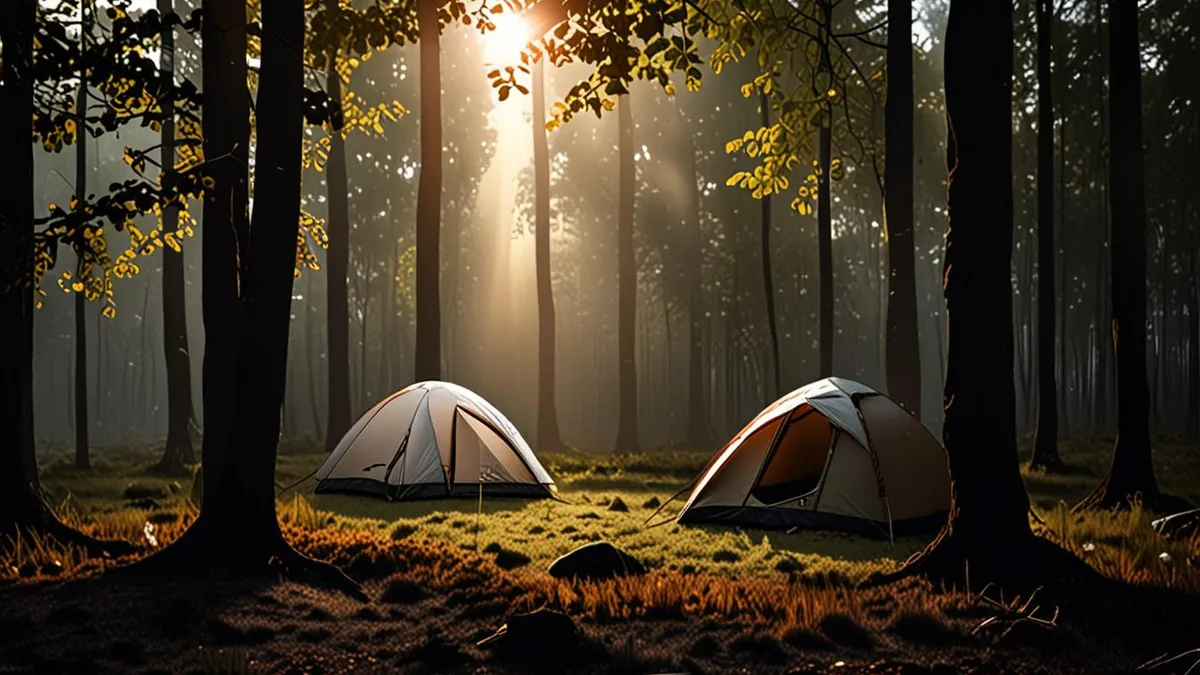
Comfort is where the two styles diverge most sharply, and it is the main reason travelers pay the glamping premium. Glamping usually includes a real bed, heating, lighting and linen, and often a private bathroom as well. You sleep on a mattress that supports your back, wake up warm, and shower without a walk across the site.
What camping comfort depends on
Camping comfort depends entirely on your own equipment: the sleeping mats, bags and camp stove you carry in. A good mat and a warm bag can make a tent night genuinely pleasant, but the ceiling is lower. You cook on a portable stove, wash up at shared facilities, and accept that your bed is a few centimeters off the ground.
Weather changes everything
Weather resilience is the difference travelers notice most. A heated glamping tent handles cold snaps and steady rain far better than basic nylon, keeping the interior dry and usable when a storm rolls through. A simple tent, by contrast, can leave you listening to rain hammer the flysheet and hoping the seams hold. If your dates fall outside high summer, or the forecast looks unsettled, that single factor can decide the choice for you. Check what heating and insulation each glamping operator provides, as standards vary between sites.
Effort on Arrival: Setup, Packing and Daily Routine
The biggest difference between camping and glamping shows up the moment you arrive. With traditional camping, your first hour is work: finding a level spot, unpacking the car, pitching the tent, inflating sleeping mats and digging out the stove before anyone gets to relax. When the trip ends, you reverse the whole process, packing a damp tent into a bag that never seems to fit as easily as it did at the store.
Glamping removes almost all of that. You drive up, drop your bag inside a tent or cabin that already has a made bed, lighting and heating, and your holiday starts immediately. If something breaks or the firewood runs out, the site team handles it. There is no tent to dry, no poles to fold and no gear to organize when you leave.
The daily rhythm of a camping trip
Camping also shapes your daily routine in small ways. Cooking means washing dishes at a shared kitchen or sink, and rain or morning dew means drying out gear before you pack it away. Some travelers enjoy this hands-on rhythm and find it part of the charm. Others prefer a glamping stay, where a private bathroom and someone else’s maintenance replace those chores entirely.
When and How Far Ahead to Book
In the Nordic region, glamping demand peaks sharply between June and August, when the weather is mildest and the nights are brightest. That short window means popular sites fill up quickly, especially for weekend dates in the heart of summer. Campsites work differently: with a basic pitch, you can often just show up, and outside the busiest weeks a few days’ notice is rarely necessary.
Glamping units are a different story. Because each site has a limited number of tents, cabins or domes, availability disappears fast once summer dates open for booking. A site might have only a handful of units, so one busy family reunion weekend can wipe out an entire month’s capacity. If you have your heart set on a specific lakeside tent or a coastal cabin, treat your booking like a flight reservation rather than a spontaneous decision.
- For July and August weekends, book glamping 2-3 months ahead — many units sell out long before the month begins, so late planners are left with weekday slots or less popular locations.
- Midweek dates are easier to secure — Tuesday and Wednesday nights often stay open closer to your travel date, which helps if your schedule is flexible.
- Trips outside the June-August peak need far less lead time — the milder months at either end of summer are calmer and cheaper, and you can often book just a few weeks ahead.
- Check cancellation policies before paying — summer plans can shift, and knowing how late you can change or cancel a booking saves money and stress.
One last tip: if your preferred site is fully booked, ask about waitlists or last-minute cancellations. Weather-dependent travelers sometimes reschedule, and a polite email a week before arrival occasionally turns up an opening that never appeared online.
How to Choose the Right Style for Your Trip
The right choice depends less on gear lists and more on the kind of trip you want. If you are heading away for a night or two on a tight budget, camping is hard to beat. A tent, sleeping bags and a stove cost roughly 100-300 EUR to buy, and once you own the gear, every extra night costs almost nothing. Camping also suits flexible itineraries: if you decide to move on to the next lake or trailhead, you simply pack up and go, no bookings or fixed base required.
When glamping makes more sense
Glamping earns its price on longer stays and for travelers who feel the cold. A real bed, heating and linen make multi-night trips far more restful, and a private bathroom turns a week outdoors into something closer to a hotel stay with scenery. It is also the natural pick for celebrations — anniversaries, birthdays or a first trip together — where you want the outdoor setting without the logistics.
Couples chasing views with zero effort should look for glamping sites near water or on hilltops. Waking up steps from the shoreline and stepping out for sunset takes no planning at all. For a sense of what that looks like, see the sunrise glow along Pärnu’s beach promenade, the kind of morning a waterside glamping stay puts right outside your door.
Weighing Price Against Comfort Before You Go
So is glamping’s higher price actually buying you something real? In short, yes. Glamping costs roughly 90-250 EUR a night versus 15-35 EUR for camping, and what you get for that difference is a real bed, heating, linen and zero setup when you arrive. After a long day outdoors, that can feel like money well spent.
Camping, on the other hand, rewards lower budgets and hands-on travelers who enjoy carrying gear, cooking on a stove and the satisfaction of being self-sufficient. The best choice ultimately depends on trip length, the season and how much comfort you need at the end of the day. If you have tried both styles or are still torn between them, leave a comment below or share this article with a travel partner.