You have a budget and a week off, but you cannot tell whether sand-and-surf or trails-and-altitude will give you the better holiday. That choice is the heart of the beach resort vs mountain resort debate, and it trips up a lot of travelers because both options look appealing in photos. The right answer depends less on which is objectively better and more on how you like to spend your days.
This guide walks through the core differences between the two settings, the best times to go, what each really costs and how far ahead to book. It also covers matching the stay to your travel style, health and comfort details worth checking, and how to spot a quality resort in either setting. By the end, you should be able to pick with confidence instead of second-guessing your booking.
Beach Resort vs Mountain Resort: The Core Differences
The biggest difference between these two resort types comes down to what sits outside your door. At a beach resort, water is the main event. Your days revolve around swimming, sunbathing and slow evening walks along the shore as the sun goes down. The pace is deliberately low-effort: you can decide at breakfast whether today means a lounger, a snorkel or a nap, and no one is worse off for it.
Mountain resorts center on terrain instead. Hiking trails, ski runs and viewpoints shape the schedule, and the rhythm is more active and more weather-dependent. A cloudy day can change your plans entirely, while a clear morning after fresh snow is something you get up early for.
Planning and gear: not the same workload
Beach stays need surprisingly little. Swimsuit, sunscreen, a good book and you are set, which makes them easy to book on short notice. Mountain stays reward preparation: checking routes, lift schedules and packing layers for conditions that shift with elevation. If you enjoy that kind of planning, it becomes part of the fun. If you would rather not think about logistics at all, the beach will feel more forgiving.
When to Go: Seasons Shape Each Destination
Timing changes both destinations dramatically, so it is worth deciding on your season before you pick a specific resort. Beach resorts shine from June to August, when the weather is at its most reliable and the water is warmest. If your priority is swimming rather than sightseeing, those peak weeks deliver. The trade-off is crowds and higher rates. May and September are the smart alternative: the sea is still warm in most Mediterranean destinations, yet prices typically drop 20-40% compared with peak summer weeks.
Mountain resorts effectively run two separate calendars. Ski season typically runs from December to April, while the summer hiking season runs from June to September. Between and around those windows, many high-altitude resorts go quiet, and some facilities scale back. Shoulder-season mountain trips are quieter and cheaper, but they come with real trade-offs:
- Cold nights are common at altitude even when days are pleasant, so pack warm layers for evenings regardless of the month.
- Lifts may be closed between the ski and hiking seasons, which can cut off some of the easiest viewpoints and highest trails.
- Some restaurants, pools and resort facilities reduce hours or close entirely in quiet months, so check what will actually be open during your dates.
If you are flexible on dates, decide first what you want to do there, then work backwards to the season that supports it.
Costs and Booking Lead Times
Price is where the two destinations behave differently, and knowing the pattern helps you book at the right moment. Mountain resorts often charge 10-20% more in winter than in summer, since ski season is their peak. Beach resorts follow the opposite curve: peak summer weeks in June to August are the most expensive, while May and September typically cost 15-30% less.
How far ahead to book
Peak season at either type of resort rewards early planning. For a summer beach trip or a winter ski week, aim to lock in your stay 3-6 months ahead. That gets you a better choice of rooms and usually better rates. Shoulder season is far more forgiving: booking 4-8 weeks out is often enough, and last-minute deals are more common when resorts have empty rooms to fill.
Also compare the total trip cost, not just the room rate. Beach trips often add transfers from the airport and paid excursions like boat trips or diving. Mountain trips add lift passes and gear rental, which can add up quickly over a week of skiing. Whichever you choose, sketch out these extras before you commit, because they can easily flip which destination is actually cheaper for your dates.
Matching the Stay to Your Travel Style
Start with an honest question: what do you want to feel at the end of each day? If the answer is “sandy, relaxed and slightly sunburned,” the beach is your match. Beach resorts suit travelers who want to unwind without a schedule, since swimming, sunbathing and an evening stroll need no planning, no equipment and no fitness level beyond a good appetite.
Families with young children also tend to do better at the beach. Shallow water, sandcastle sessions and predictable weather mean you can build a routine around naps and early dinners without worrying that rain will cancel the day’s only activity. If you want maximum odds of warm, dry days, coastal destinations in peak season deliver them more reliably than most mountain valleys.
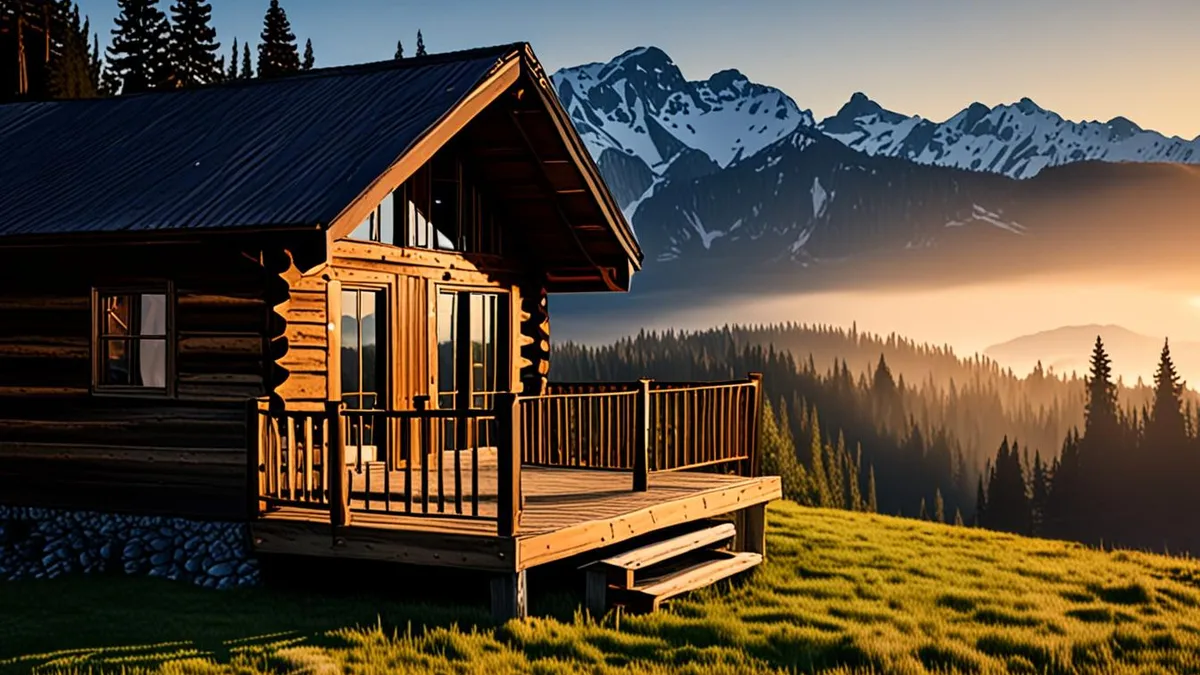
The mountains reward a different mindset. If your ideal morning involves boots on a trail, skis on a lift or a thermos at a viewpoint, cooler air and dramatic scenery will matter far more to you than a sun lounger. For a sense of what an alpine morning can look like, this account of a mountain sunrise at the Bergen overlook captures the appeal better than any brochure.
Mixed groups with conflicting wishes do have middle-ground options:
- Lake resorts combine swimming and paddleboarding with shoreline hiking trails, so sunbathers and walkers share the same property.
- Coastal mountain destinations, such as resorts on Mediterranean islands or along mountainous coastlines, let you hike ridgelines in the morning and swim in the afternoon.
- Resorts with both a pool complex and guided mountain excursions work well when one half of the group wants a spa day while the other books a summit walk.
Health, Comfort and Practical Considerations
Altitude is the most overlooked comfort factor in mountain trips. If your resort sits above 2,000 m, some travelers need 1-2 days to acclimatise, and mild headaches, restless sleep or unusual breathlessness are common in that window. Plan your first day lightly — a short walk and an early night rather than a summit push — and drink more water than feels necessary.
Sun protection works differently at altitude and on the water
UV exposure is stronger at elevation and gets reflected back at you from snow and water, so the shade umbrella that feels sufficient at sea level often is not. Use a high-SPF sunscreen, reapply after swimming or sweating, and pack sunglasses and a brimmed hat for both settings. Snow glare in particular can catch skiers off guard on bright spring days.
Water temperature decides your beach trip more than air temperature
If swimming is the main point of your July or August beach holiday, check the sea temperature before booking rather than trusting the sunshine forecast. Most Mediterranean beach destinations reach 22-26°C in those months, which suits long swims for most people. Cooler Atlantic or northern coastlines can look just as sunny yet feel bracing in the water, so confirm conditions for your specific stretch of coast.
How to Spot a Quality Resort in Either Setting
A glossy photo gallery tells you very little about how a resort actually performs day to day. Recent guest reviews are far more revealing, especially the ones that mention unglamorous details: whether the air conditioning was fixed promptly, how thin the walls are, and whether staff responded quickly when something went wrong. Sort reviews by date so you are reading about this season, not three years ago under different management.
Location claims deserve a map check, too. “Close to the slopes” can mean a five-minute walk or a twenty-minute shuttle, and “beachfront” sometimes describes a property across a busy coastal road. Open a map app, find the actual beach access, nearest lift station or trailhead, and measure the real distance from the resort entrance before you commit.
Finally, judge value by what is bundled in, not the nightly rate alone. Two resorts at similar prices can differ sharply once you add breakfast, airport transfers, spa access or ski storage. When comparing, look specifically at:
- Breakfast and half-board options, which matter more in remote mountain valleys where the nearest alternative restaurant may be a drive away.
- Transfer arrangements, since some beach resorts charge per person for airport shuttles while others include them in the rate.
- Equipment and gear storage, such as heated ski rooms, bike storage or beach towel service, which saves both hassle and rental fees.
- Spa, pool and kids’ club access, often priced as extras at some properties and standard at others.
Wrapping Up Your Choice
So, sand-and-surf or trails-and-altitude? The answer comes down to the kind of week you want. If your idea of a holiday is sun, swimming and doing very little, a beach resort fits. If you’d rather earn your views on foot and sleep in cooler air, the mountains will suit you better.
Taste matters, but season and budget often decide as much as personal preference. Shoulder months can cut costs by 20-40%, and peak-season stays typically need booking 3-6 months ahead. Before you commit, double-check the altitude, expected temperatures and exactly what your rate includes. If you’re still torn, drop a comment with your travel dates or share this article with someone planning the same debate.