Choosing between a yurt vs safari tent vs cabin is confusing because every listing promises “luxury in nature,” yet each delivers a very different night’s sleep. One puts you under a canvas dome with rain drumming overhead, one on a deck with the flaps open to the morning air, and one behind solid wooden walls with a sauna waiting outside. Pick the wrong one for your season or group and the trip can feel off from the first night.
This guide breaks down how the three stays actually differ, how much comfort and space each one gives you, and which option fits each season and travel style. We’ll also compare typical prices and share practical booking tips, so you can match the right stay to your trip before you pay the deposit.
Yurt vs Safari Tent vs Cabin: The Core Differences
The three options look similar in photos but are built completely differently, and that shapes everything from warmth to noise. A yurt is a round, insulated canvas structure with a lattice frame and a central skylight at the top of its dome. That skylight is the signature feature: you fall asleep watching the sky, and on cold nights the insulation and compact round shape hold heat far better than a regular tent. Yurts were designed for colder months, and Nordic sites commonly keep them bookable from October to April.
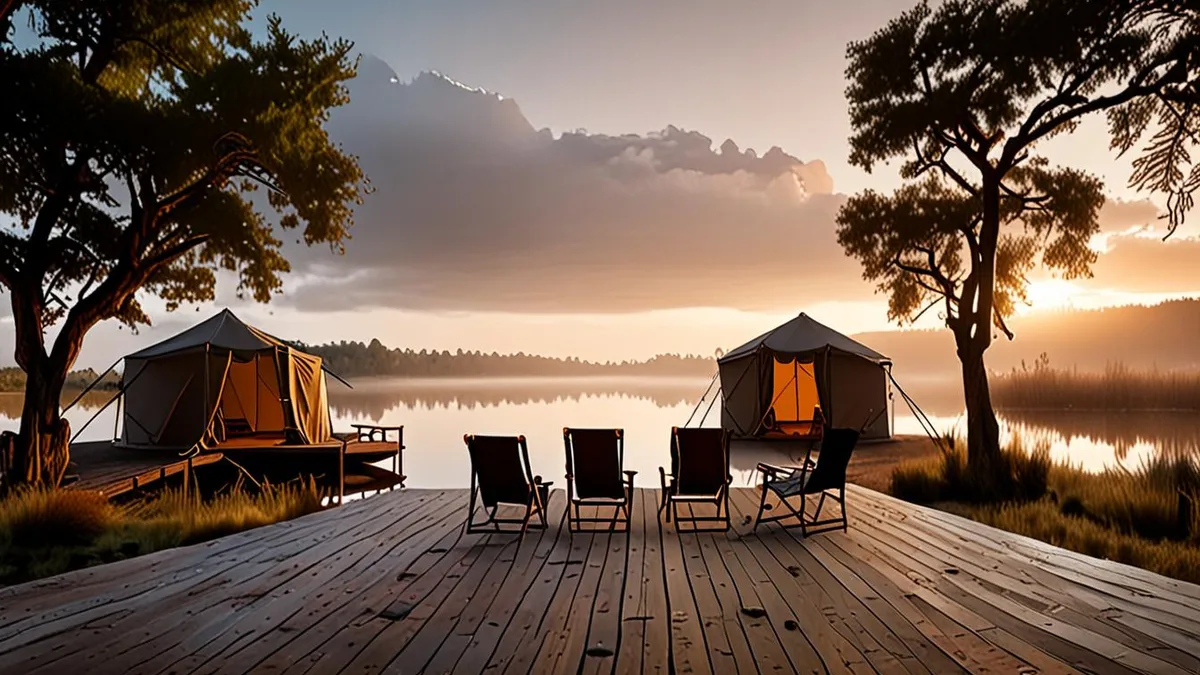
A safari tent is a large canvas tent pitched on a wooden deck, fitted with real beds, furniture and usually a small kitchenette. It feels like a proper room, but the walls are still canvas, so you hear wind, rain and birds as if you were camping. Because canvas can’t handle frost, safari tents typically operate from May to September and close before the autumn frost sets in.
Cabins: the solid option
A cabin is a solid wood building with full insulation and heating, often with a private sauna attached or just outside. It behaves like a small house: stable temperature, real doors, no flapping fabric at 2 a.m. That solidity is why cabins work year-round, including deep winter, while the two canvas options are seasonal by nature. Once you understand this core difference, the rest of the comparison falls into place.
Comfort and Space Compared
Space is where the three stays separate most clearly. A cabin offers the most room by a wide margin, typically sleeping 4–8 guests with full kitchens and proper bathrooms inside. You get separate bedrooms, a dining table that seats everyone, and enough floor area that a rainy afternoon doesn’t turn into a standoff over board games. A yurt sleeps 2–5 people around one shared central space, so everyone stays in the same round room, and washing usually means a shared or nearby washhouse. A safari tent sleeps 2–4, sometimes with an en-suite bathroom and sometimes with facilities a short walk across the site.
Sound matters too. Canvas walls mean that in a safari tent you hear every gust of wind and rain shower, which many guests love and light sleepers don’t. A yurt’s insulated canvas is quieter but not silent, while a cabin is as hushed as any house — a real difference if you’re traveling with a snorer or a baby.
Privacy follows the same pattern. Cabins give couples or groups their own bedrooms and doors that close, yurts keep everyone together in one space, and safari tents land somewhere in between with curtained sleeping areas in some layouts.
- Cabin kitchens are full kitchens. Expect a stove, oven and full-size fridge, enough to cook proper dinners rather than reheating on a two-burner hob.
- Yurt living is one shared room. Beds ring the central space, so there’s nowhere to retreat if one person wants lights out at nine and another wants to read until midnight.
- Safari tent bathrooms vary by site. Some units have a private en-suite on the deck, others share a modern wash block, so check the specific tent’s setup before booking.
Which Stay Fits Each Season
Season is the single biggest factor in this decision, more than price or style. Yurts shine from October to April, when most canvas safari tents have closed for the season and you want that winter-lodge feel: snow outside, a warm round room inside, and stars through the skylight. Safari tents are the pick for May to September, when open canvas, deck mornings and warm nights give you the most open-to-nature experience of the three. Cabins are the year-round workhorse, and they’re the safe choice for midwinter trips where reliable heating isn’t optional.
If your dates are fixed, let the calendar choose for you. If your dates are flexible, decide what kind of night you want first and book the season around it. A couple dreaming of a snowy, candle-lit evening under a skylight should plan a cold-season trip and pick a yurt. A family that wants long days outside and kids sleeping soundly after hours of fresh air will get more from a safari tent at the height of summer. And anyone traveling in the darkest, coldest weeks of the year should simply default to a cabin, because canvas and deep frost rarely mix well.
It also pays to think about how each structure handles the in-between months. Late spring and early autumn can be glorious for daylight and colors, but nights often turn chilly enough that a thin tent wall stops feeling romantic. That’s exactly when a heated yurt or an insulated cabin earns its keep, letting you enjoy crisp mornings without shivering after sunset. Midsummer, by contrast, is when canvas comes into its own: long light evenings and mild nights make the fabric walls a feature rather than a flaw, and you can sleep with the mesh open to the air. Winter trips, finally, need heating you can trust — a cabin’s full insulation and heating mean a January cold snap changes nothing about your comfort, something no canvas option can promise.
What Each Option Costs
Glamping prices vary a lot between the three stay types, and knowing the typical nightly rates helps you match your budget to the right option before you fall in love with a listing. The good news is that all three usually cost less than a comparable hotel room, especially once you factor in what you get: a private deck, kitchen facilities and direct access to nature.
Safari tents are generally the budget-friendliest of the three, running around €90–150 per night. Yurts average €100–180 per night, which puts them surprisingly close to the price of a small cabin. Cabins sit at the top of the range at roughly €120–250 per night, but that headline number can be misleading if you travel in a group.
The key is to look at the price per person rather than the price per night. A cabin that looks expensive for a couple can become excellent value for six travelers splitting the bill. Keep these points in mind when comparing listings:
- Safari tents sleep 2–4, so the nightly rate covers a couple or small family — a €120 tent for four people works out to €30 per person, which is hard to beat.
- Yurts usually fit 2–5 guests around one shared central space — a larger yurt booked by three friends can cost less per head than two separate hotel rooms.
- Cabins sleeping 4–8 split the €120–250 range across the whole group — a €240 cabin shared by six people comes to about €40 each, with a full kitchen included.
- Shoulder-season dates often drop below these ranges — check whether a site discounts May or late-September stays before assuming peak prices apply.
Matching the Stay to Your Travel Style
The best glamping stay depends less on the structure itself and more on who is sleeping in it. A round yurt with a skylight is romantic for two but cramped for a family of five with luggage. A big cabin is ideal for kids but can feel oversized and quiet for a couple. Match the stay to your travel style and the choice almost makes itself.
Couples chasing atmosphere should lean toward a yurt. The round space feels completely different from a standard hotel room, and lying in bed looking up through the central skylight at the sky is the kind of detail people remember long after the trip. For families with young kids, a cabin wins on practicality: separate bedrooms mean parents get their own space after bedtime, solid walls muffle noise, and a full kitchen lets you cook familiar meals instead of eating out every night. First-time campers easing into the outdoors will find safari tents the gentlest introduction — you get canvas walls, birdsong and the smell of a morning meadow without ever having to pitch anything.
Some quick pointers to help you decide:
- Couples: pick a yurt with a clear view from the skylight — some sites position them for open sky or forest canopy, so ask before booking.
- Families: check the actual bedroom layout, not just the guest count — a cabin sleeping 4–8 may have one large room or genuinely separate bedrooms.
- First-timers: look for safari tents with en-suite bathrooms — stepping outside at night to a shared washhouse can feel less comfortable on your first trip.
- Mixed groups: consider two smaller units side by side — a yurt for the adults and a safari tent for teens keeps everyone happy.
How to Book the Right Glamping Stay
Booking a glamping stay is straightforward, but a few checks before you pay will save you from the most common disappointments. Good sites in popular regions have limited inventory — often just a handful of yurts, tents or cabins on one property — so the best units go early. Because most glamping sites sit 20–60 minutes’ drive from the nearest town, a small mistake in your booking is harder to fix on the spot than it would be at a regular hotel. Follow these steps in order:
- Lock in your dates first, then book immediately. For July–August trips, reserve 2–3 months ahead. Top sites sell out first in peak season, and waiting usually means choosing between leftovers at odd dates or higher prices elsewhere.
- Check the exact distance to town. Most glamping sites sit 20–60 minutes’ drive from the nearest shops and restaurants. Confirm the real distance on a map rather than trusting vague listing descriptions, and plan your grocery run before arrival so you are not driving back for milk on your first evening.
- Confirm whether bathrooms are en-suite or shared. This varies most between yurts and safari tents — some have private facilities, others rely on a nearby washhouse. Ask directly before paying if the listing is unclear.
- Verify what is actually included. Bedding, firewood and kitchen equipment are not always standard, so a quick message to the host prevents surprises.
Once the practical details are settled, you can start planning what to actually do around your stay. If your trip takes you toward northern Norway, reading about a quiet evening watching the sunset in Vadsø is a good reminder of how much atmosphere these remote towns offer after dark — the kind of experience that pairs perfectly with a cabin or yurt base. Book early, ask your questions, and the rest is easy.
The Bottom Line
So which one should you book? If you’re traveling in the colder months and want that cozy, lodge-like atmosphere, a yurt is hard to beat. For a summer trip where you want to feel close to nature without giving up a real bed, a safari tent delivers that open-canvas feeling best. And if you need space, solid walls, and reliable heating, a cabin wins every time.
Ultimately, your choice comes down to three things: the season you’re traveling in, how many people are coming, and how close to the outdoors you want to sleep. Get those three answers clear and the right stay picks itself. If this helped you decide, leave a comment or share the article with your travel crew.