You know you need a place to sleep, but the choice between an atmospheric lodge and a convenient hotel can make or break the trip. Pick the wrong one and you might find yourself 20 kilometers from the nearest restaurant with a hungry family, or stuck in a cramped room when what you really wanted was space to spread out. The lodge vs hotel debate comes down to how you travel, not which one is objectively better.
This guide walks through what actually separates the two, from room sizes and kitchens to location, pricing and booking timing. We’ll compare space and facilities, weigh countryside settings against city-center convenience, look at what each type really costs, and help you match your stay to your travel style. By the end, you’ll know exactly which one to book for your next trip, and when a mix of both makes sense.
What Defines a Lodge vs Hotel?
Lodges are typically low-rise buildings made of timber or stone, set in natural surroundings like forests, lakeshores or coastlines. Most have somewhere between 10 and 50 units, which keeps the atmosphere relaxed and informal. Nobody wears a lanyard, breakfast often happens at communal tables, and the owner might be the same person who greets you at the door and recommends a hiking trail.
The hotel formula
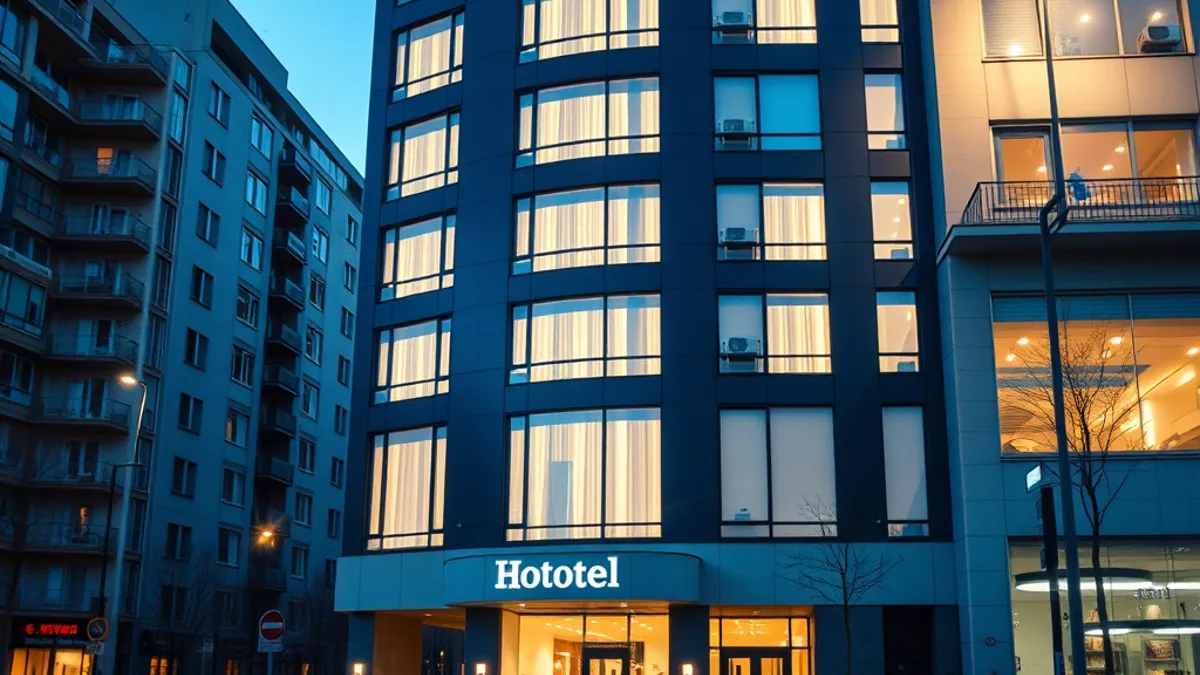
Hotels, by contrast, are multi-storey urban properties with anywhere from 50 to 300 rooms. A front desk runs around the clock, rooms follow a standardised layout so you know roughly what to expect, and services like housekeeping and luggage storage come as standard. That predictability is exactly what many travelers want.
The lines do blur, though. Small lodges can shade into cabins or guesthouses with barely any shared facilities, while the hotel category stretches from no-frills budget chains to luxury high-rises with rooftop bars. Before booking, look past the label and check the unit count, the setting and what services are actually included, because a “lodge” in the middle of a town may behave much more like a small hotel, and vice versa.
Space, Comfort and Facilities Compared
Space is where lodges pull ahead. Lodge units typically run 20-60 m², and they frequently include a kitchen or kitchenette, a small living corner and a private terrace. Hotel rooms usually measure 18-30 m² and rarely offer more than a desk, a bed and a compact bathroom. That extra floor area changes how you use the room, especially when you’re not just sleeping there. Think about a rainy afternoon with kids, luggage spread across the floor, or a couple who want to read while the other naps — square meters matter more than you’d expect.
Hotels strike back with services most lodges skip. Daily housekeeping, room service, gyms, spas and a staffed front desk at any hour are hotel staples, and they matter if you want to be looked after rather than self-sufficient. Many lodges offer self-catering kitchens, while most city hotels provide only breakfast or restaurant service, so your cooking options shrink to whatever’s within walking distance. Here’s what each side tends to give you:
- Lodge kitchens: Cooking even one meal a day cuts restaurant bills noticeably, and a fridge lets you stock breakfast supplies and snacks for kids. Most lodges include at least a kitchenette, so you don’t need a full holiday apartment to benefit.
- Terraces and living corners: A separate sitting area means someone can nap or read while others watch TV, something a standard hotel room rarely allows. A private terrace also gives you outdoor space without leaving your unit.
- Hotel gyms and spas: Useful on short city trips when you want a workout or a sauna without leaving the building. Few lodges have comparable facilities, so check before booking if this matters to you.
- Daily housekeeping: Fresh towels and a made bed every day, a small luxury most lodges reserve for longer stays or skip entirely. If you dislike doing dishes on vacation, this alone can decide the debate.
The practical takeaway: families and anyone staying a week or more get real value from lodge layouts, while a short city trip favours the compact efficiency of a hotel room you’ll barely spend daylight hours in. Ask yourself honestly how much time you’ll actually spend in the room — the answer usually points you to the right choice.
Location: Countryside Lodges vs City-Centre Hotels
Location is the sharpest dividing line between the two. Hotels dominate city centers, putting you within walking distance of restaurants, museums and nightlife. Step out of the lobby and dinner, a gallery or a bar is usually minutes away, no car or taxi required.
Lodges play a different game. They typically sit 5-30 km outside town, near lakes, forests or coastlines, trading urban convenience for nature right outside the door. Waking up to water and trees instead of traffic is the whole point, and places like a lakeside sunrise in southern Estonia show the kind of moment a countryside setting delivers that a city hotel simply can’t.
Do you need a car?
Usually, yes. A lodge stay without your own transport means limited dining and activity options after dark, since nearby restaurants may close early and taxis from remote areas can be scarce or slow. If you plan to cook in and turn in early, that’s fine, but if you expect evening outings, either rent a car or lean toward a hotel.
Match the location to your itinerary. If your days revolve around sightseeing on foot, a central hotel saves hours of commuting. If your days revolve around hiking, swimming or simply doing very little in a beautiful spot, the lodge’s distance from town becomes a feature, not a flaw.
Price and Value for Money
Let’s talk numbers. A mid-range hotel night typically costs 80-150 EUR, while lodges usually sit in the 100-200 EUR range. At first glance the lodge looks more expensive, but the headline rate is only half the story.
The big equalizer is the kitchen. Most lodges include self-catering facilities, so you can cook breakfast and a few dinners instead of paying for restaurant meals three times a day. In a hotel, you generally rely on breakfast service or nearby restaurants, and those bills add up quickly over a week.
Timing matters too. Lodge rates in the peak summer season commonly run 20-40% above shoulder-season prices. If your dates are flexible, May and September offer the best balance of open facilities and lower prices, stretching your budget noticeably further than a July trip.
Stay length is the final piece of the puzzle. A week in a self-catering lodge often beats seven hotel nights plus restaurant bills, because your nightly savings compound while your food costs shrink.
- Split costs with a group: a lodge with two or three bedrooms lets families or friends divide one nightly rate instead of booking several hotel rooms.
- Cook the expensive meals: preparing breakfast and lunch yourself and eating out only for dinner can cut your daily food spending dramatically compared with a hotel-based trip.
- Compare total trip cost, not nightly rate: add up accommodation, meals, parking and activities for both options before deciding which one actually offers better value.
When to Book Each Type of Stay
Lodges and hotels follow very different booking rhythms, and knowing them saves both money and stress. Small lodge properties have limited inventory, often just a handful of cabins, so they sell out first when demand spikes.
For July and August stays, reserve your lodge 2-3 months ahead. Leave it later and you may find only the priciest units left, or nothing at all in the locations you want.
City hotels are more forgiving
City hotels usually need only 2-4 weeks’ notice outside major events and holidays. With 50-300 rooms to fill, they rarely fill completely in normal conditions, and last-minute rates can sometimes work in your favor.
Shoulder-season travelers have the easiest ride. In May and September, you can often book either type of stay just 2-4 weeks out and still find good availability, which makes spontaneous trips far more realistic.
One practical tip: if your trip overlaps a major event, festival or public holiday, treat the city hotel like a summer lodge and book early. Event weekends can wipe out availability across an entire city center within days.
Which Stay Matches Your Travel Style?
Neither option is objectively better; the smarter question is which one matches the way you actually like to spend your days. If your perfect morning means stepping outside straight onto a forest trail or lakeside path, cooking dinner at your own pace and letting the kids spread out without anyone shushing anyone, a lodge will feel like it was built for you.
If you’d rather walk to museums, restaurants and nightlife, sleep in a compact room and rely on a front desk for anything you need, a hotel is the more practical pick. This is especially true for short city trips, where every hour counts and you don’t want to spend 20-30 minutes driving back to your room after dinner.
There’s also a middle path worth considering. Hybrid trips work well: base yourself in a lodge for the main part of your stay, then book one or two hotel nights in the city en route. You get nature and nightlife without compromising either one, and it can even help with flight connections.
- Families with young children: lodge layouts with separate living areas and kitchens make nap times, early dinners and packed lunches far easier than a single hotel room.
- Remote workers and long-stay travelers: a lodge with a kitchen and terrace doubles as a live-work space, while hotel rooms are designed for shorter visits.
- Couples on a quick city break: a hotel’s walkable location and daily housekeeping mean you spend your time sightseeing, not driving or shopping for groceries.
- Road-trippers: if you already have a car, a lodge’s distance from town stops being a drawback, and you can mix both types of stay in one itinerary.
The Bottom Line on Lodges and Hotels
So which stay suits your travel style? The choice comes down to what you value most. Lodges win on space, setting and self-catering value, with generous layouts, kitchens and nature right outside the door. Hotels win on location, service and convenience, putting you steps from restaurants, museums and nightlife with a front desk on call around the clock.
The smartest approach is to match the stay to your trip. Think about how long you are traveling, which season you are visiting and whether you will have a car. A week of slow, family-friendly days points toward a lodge, while a short city break points toward a hotel. If summer is your window, book that lodge early, since small properties sell out first. If this helped you weigh up the two, leave a comment or share the article with a fellow traveler.